
A website that does something: why menus, bookings and online shops matter
A website that tells people you exist is a good start. A website with an action is better.
By "action" I mean the things a customer actually came for: see the menu, book a table, reserve an appointment, order for collection, buy a product or sign up for a workshop.
Here's what the research says. A warning first: a fair few of these figures come from booking and restaurant software firms, which have something to sell. I've said so where it applies.
Give people the thing they came for
Menus are the clearest example. In the UK, the AHDB's foodservice research found that 75% of consumers look at the menu in advance, mainly to see if they want to eat there and to check prices. 57% choose where they're going in advance.

The US figures are higher. A Hospitality Technology study found that 84% of restaurant-goers always or often look up the menu ahead of time, and 79% look at the restaurant's website. TouchBistro's research found that 59% look at the online menu and 51% at the website before choosing where to eat.
A US survey from 2019, reported by Restaurant Dive, found that 77% of diners check a restaurant's website before visiting. Nearly 70% of them had been put off by a website. 33% said it was hard to navigate and 30% said it looked old or out of date.
The same goes for price lists, treatments, opening times and tour times. If someone can't find them, they move on to someone whose details they can find.
Make the next step easy
BrightLocal's 2026 review survey asked what people do after reading positive reviews. 54% visit the business's website. 31% visit the business in person. 20% contact the business and 20% make an appointment.
So interest arrives. What happens next depends on whether there's a clear button to press.
Let people book
These figures come from booking software firms, so take them with a pinch of salt.
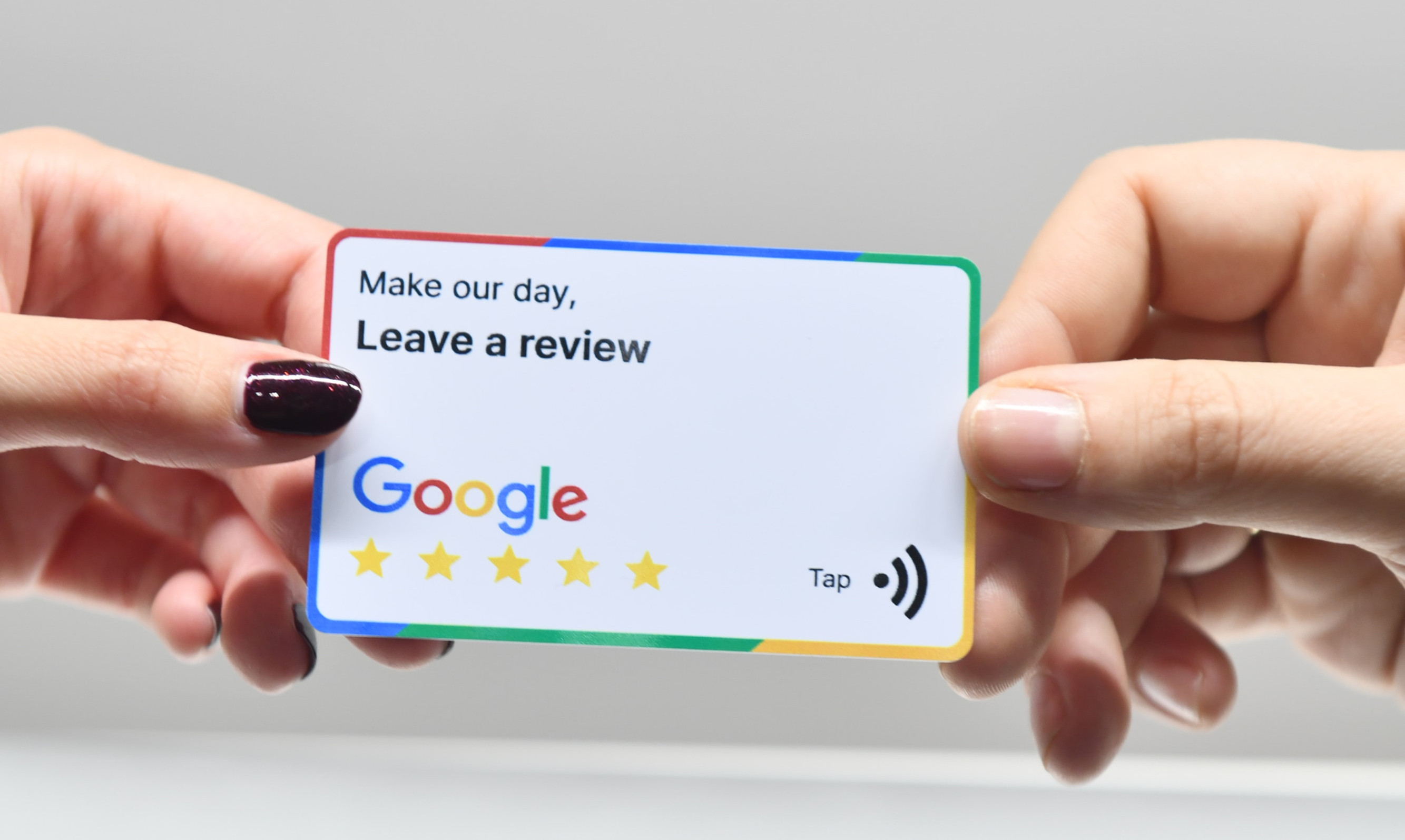
A GetApp survey, reported by SchedulingKit, found that 82% of consumers prefer booking online to booking by phone. 48% said they'd switched provider because of a poor booking experience. 59% said online booking makes a business feel more professional.
The same source says about 40% of bookings happen outside business hours.
UK software firm Booking Live ran an older survey, reported here. It found 69% of customers were more likely to book with a company that has online booking. 59% would go to a competitor that does, and 50% wouldn't book at all.
Another vendor, Ueni, says only 23% of local service businesses use an online booking system.

The after-hours point is the one I'd hold onto. Think of someone in a holiday let at 9pm, deciding where to go tomorrow. If they can book then and there, you've got the booking. If they have to wait to ring you in the morning, you might not.
Click and collect
Click and collect is growing in the UK. Statista figures, reported by Paragon Logistics, put click and collect orders at £32.7 billion in 2025, up from £29.5 billion the year before. That's about 18% of UK e-commerce, compared with 8.7% in 2019.
A GWP Group guide says customers spend 14% more per order on average with click and collect than with home delivery, and that 19% choose it because they feel more certain of getting their order.
For a small town business it has a simple appeal. Nothing to post, and the customer is coming into town anyway.
Selling online
The Office for National Statistics puts internet sales at 27.6% of all retail sales in Great Britain in May 2026. Forbes Advisor UK, citing Statista and the ONS, says around 85% of the UK population shops online, and online retail sales reached £127 billion in 2024.
A shop isn't for everyone. It means photography, stock and packing. But it suits products that travel well, and visitors who want to take something home, or order again once the holiday is over.
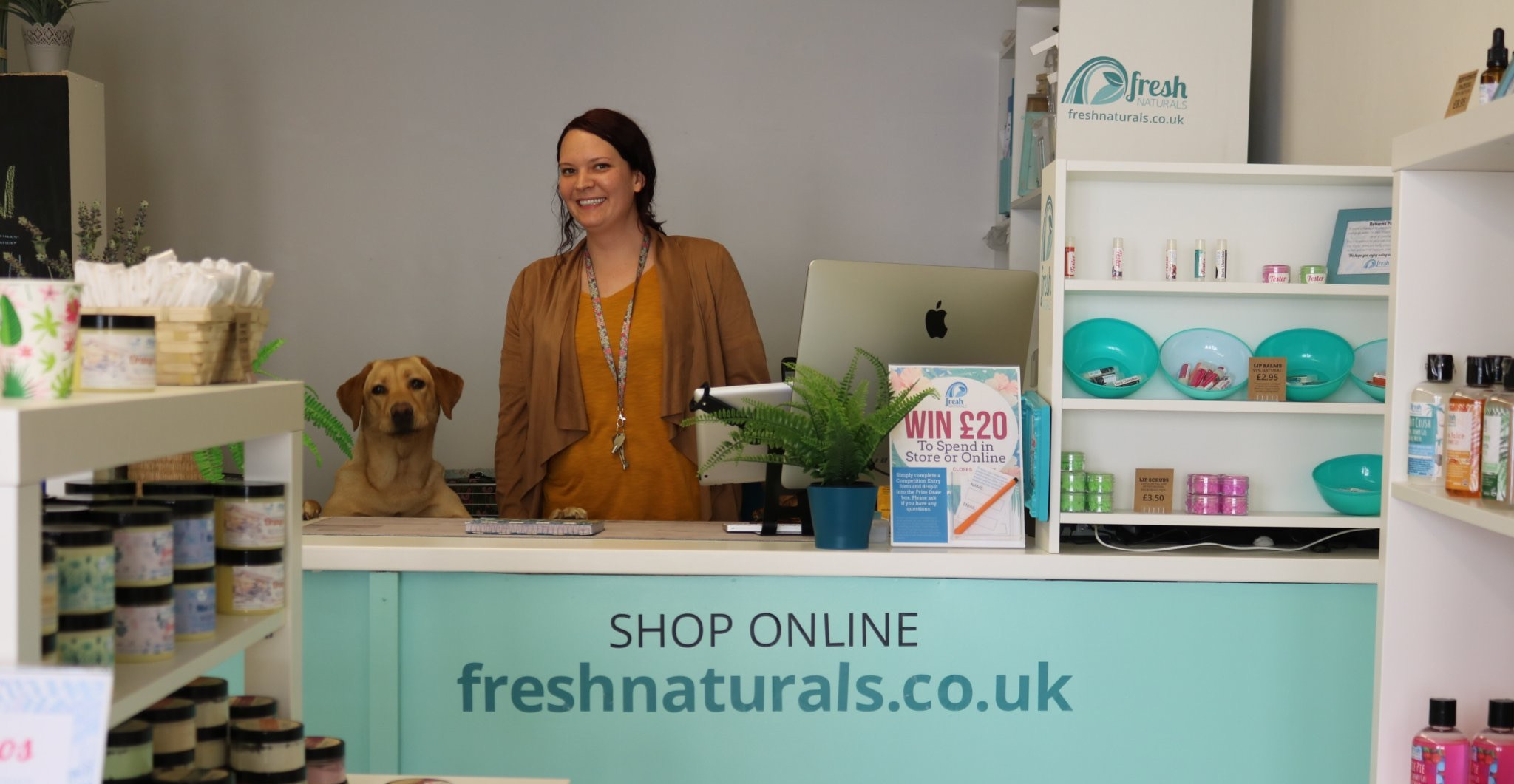
In Scarborough, having an ecommerce store was essential to my shop's success. Being on a busy tourist street was great in summer, but to make sure I had a steady income throughout winter I relied heavily on ecommerce sales - many of which came from people who had visited earlier in the year and loved my products.
Workshops and tutorials
Experiences are a reason to visit. VisitBritain's research found that 59% of domestic visitors in England chose their destination because of an activity they wanted to do.
I'll be honest about online courses, though. IBISWorld puts the UK online education and training market at £4.6 billion in 2026, but expects revenue to dip 0.4% in 2026–27. It isn't a gold rush.
So I'd start with something simpler: let people book and pay a deposit for a place at a workshop, or a one-to-one tutorial slot. Recorded tutorials can come later, once you know people want them - but once they're set up, online tutorials and educational content can become a successful passive additional income stream.
Start with one action
You don't need all of this. Pick the one thing your customers ask for most.
A café or restaurant: a menu page and a reservation form.
A salon, treatment room or tutor: appointment booking.
A shop: click and collect, or a small online shop.
A maker or teacher: bookable workshops with a deposit.
My Start-up Website is £400, and includes a contact form. Extras are added when you're ready: appointment bookings, reservation bookings, ecommerce and online payments and deposits. Booking systems send you each booking but take no payment unless you add the payments extra. Payment providers charge their own transaction fees, usually around 3%. You can spread the cost with pay monthly options, subject to status.
Not sure what to start with? Tell me about your business and I'll say what I'd do first.
Sources: AHDB · Hospitality Technology (US) · Restaurant Dive (US, 2019) · BrightLocal Local Consumer Review Survey 2026 (US) · SchedulingKit, Booking Live and Ueni (booking software firms) · Statista, ONS, Paragon Logistics and GWP Group (UK e-commerce) · Forbes Advisor UK · VisitBritain · IBISWorld.

Comments